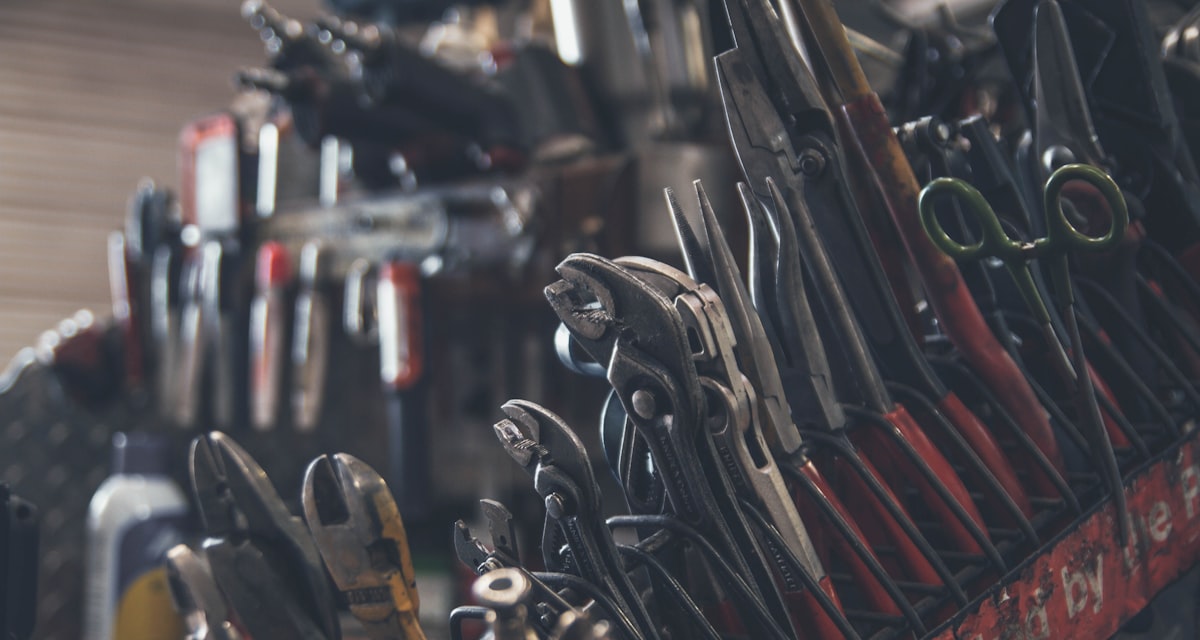
There's a certain kind of website that grows the way a garage fills up: one plugin at a time, each added to solve a small problem, none ever removed. A slider here, a contact form there, a pop-up, a cookie banner, three different SEO helpers. Individually, each seemed sensible. Together, they've quietly become the reason the site is slow, fragile, and occasionally broken.
A plugin is a wonderful thing when you need it. It's someone else's solved problem, handed to you for free. But it's worth remembering what you're actually installing: code you didn't write, can't easily read, and don't fully control, running on every visitor's device.
The hidden cost of "just add a plugin"
Each plugin brings baggage you don't see in the moment:
- Weight. Most load their own scripts and styles on every page, whether that page uses them or not.
- Conflicts. Two plugins that each work fine alone can break spectacularly together, and finding out why eats hours.
- Risk. An abandoned or poorly maintained plugin is an open door. Many of the worst website hacks trace back to one nobody had updated.
A plugin solves today's problem in five minutes and hands you a slower, more fragile site to maintain for years. Sometimes that's a fair trade. Often it isn't.
Fewer, chosen well
The goal isn't zero plugins, that's purism, not pragmatism. The goal is intention. Before adding one, it's worth asking whether the problem is big enough to justify the baggage, whether the plugin is actively maintained, and whether a few lines of purpose-built code would do the same job without the bloat.
Often the honest answer is that the feature wasn't worth it, or that it can be built directly, lighter and cleaner, doing exactly what's needed and nothing else. A site with five well-chosen tools will almost always outperform one with twenty accumulated by accident.
Cleaning house
If your site has grown a plugin thicket, the fix is refreshingly simple: audit them. For each one, ask what it does, whether you still use it, and what breaks if it's gone. You'll usually find several you can delete outright, and a couple worth replacing with something lighter. The result is a site that's faster, safer, and far easier to keep running, without losing anything your visitors actually valued.
It's worth doing this on a schedule, not just once. Plugins accumulate the same way clutter does, quietly, in the gaps between the times you're paying attention. A quick review every few months keeps the pile from growing back, and it's far less work than the eventual clear-out you'd otherwise face when the site has slowed to a crawl and nobody can remember what half of them were for.
Most small-business sites are slow for a handful of fixable reasons. I'll tell you which ones are costing you visitors, and what it takes to fix them.
Get a speed check →