Notes on building software that earns its keep.
Plain-English thoughts on websites, apps, and the tools small businesses actually need, from someone who builds them.
What "fixed-price" really means, and why I work that way
Hourly billing quietly punishes you for asking questions. Here's how a fixed price changes the whole relationship, and what it takes to quote one honestly.


Why your site should load in under a second
Every extra second of load time costs you customers. A look at what actually makes a small-business site fast.
Off-the-shelf vs. building your own
When a subscription tool is enough, and when a small business is better off with something built for exactly how it works.

The hidden cost of an outdated website
An old site doesn't just look dated, it leaks trust and leads every day. How to tell when it's time to rebuild.

Why I turn down work I could technically do
Saying yes to the wrong project helps no one. Here's how I decide whether I'm actually the right person to build the thing you need.

Your images are the reason your site is slow
Before you blame your host or your platform, look at your photos. On most small-business sites, images are the single biggest thing to fix.

The spreadsheet that runs your business is a liability
Spreadsheets are brilliant, right up until your whole operation depends on one. Here's how to tell when yours has quietly become a risk.

SEO isn't magic, it's just being findable
Most small businesses are one or two boring fixes away from showing up in search. You rarely need tricks, you need the basics done properly.

What a good discovery call actually covers
Before a single price is quoted, we need to understand the problem. Here's what I'm really trying to learn in that first conversation.

Why "it works on my machine" isn't good enough
Software that only works in perfect conditions isn't finished. Real quality is what happens on a cheap phone, a slow connection, and a bad day.

You don't need an app. You might need a better form.
A mobile app is a huge commitment for a problem a simple web tool usually solves better, faster, and for a fraction of the cost.

One clear call to action beats five clever ones
Every extra button on your page is another decision you ask a visitor to make. The sites that convert are the ones that make the choice obvious.
Maintenance isn't a bug, it's the plan
Software isn't a thing you finish, it's a thing you keep. Treating maintenance as an afterthought is how good projects quietly rot.

Downtime costs more than hosting ever will
Cheap hosting feels like a saving until the day your site is down during your busiest hour. Reliability is worth paying for.

Automating the boring 20 minutes a day
The best automation targets aren't the big scary tasks. They're the small, dull, daily jobs you don't even notice adding up.

Your contact form is quietly losing you leads
The contact form is where interest turns into enquiries, or doesn't. Small friction here costs you customers you never even knew were interested.

The one-page brief that saves us both weeks
You don't need a formal spec document to start a project well. You need one page that answers the right questions, and it's worth more than a fat requirements binder.

You should own your code, your domain, and your accounts
If your website vanished tomorrow, could you rebuild it without asking anyone's permission? For too many small businesses the honest answer is no, and that's a problem worth fixing.

Every plugin is code you didn't write and can't see
Plugins feel free and instant, but each one is a stranger's code running on your site. Fewer, chosen carefully, beats a dozen bolted on to save an afternoon.
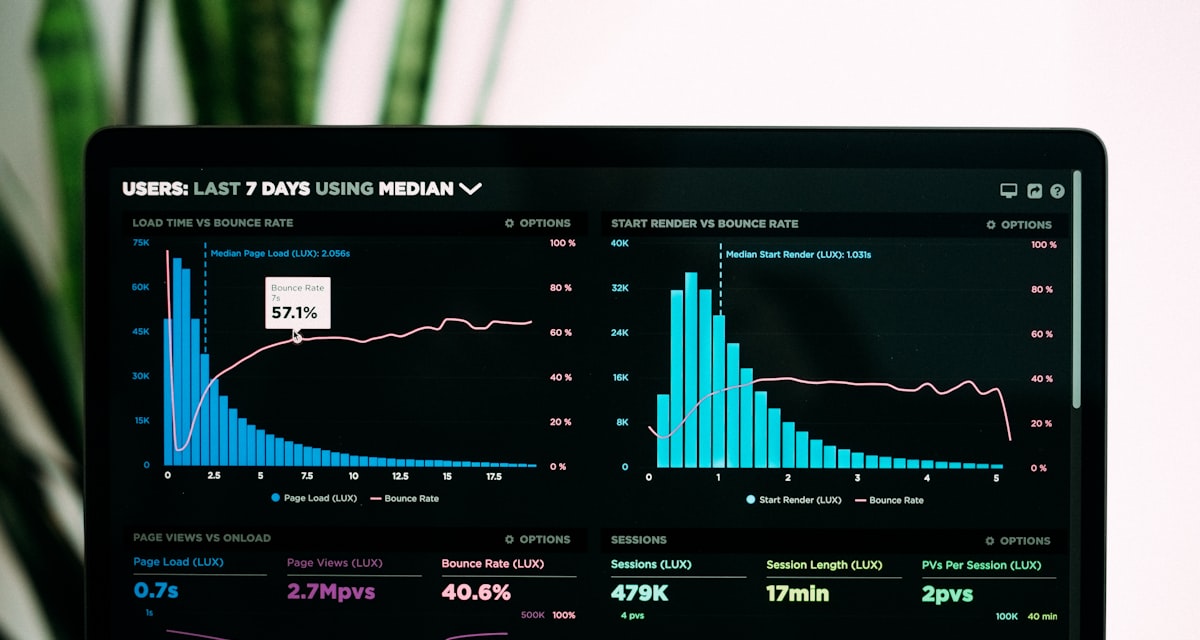
Core Web Vitals, explained without the jargon
Google grades your site on three things your visitors already feel: how fast it shows up, how quickly it responds, and whether it jumps around. Here's what they mean in plain English.
When a booking system pays for itself
Phone tag and a paper diary work fine until they don't. Here's how to tell when letting customers book themselves is worth building, and when it isn't.
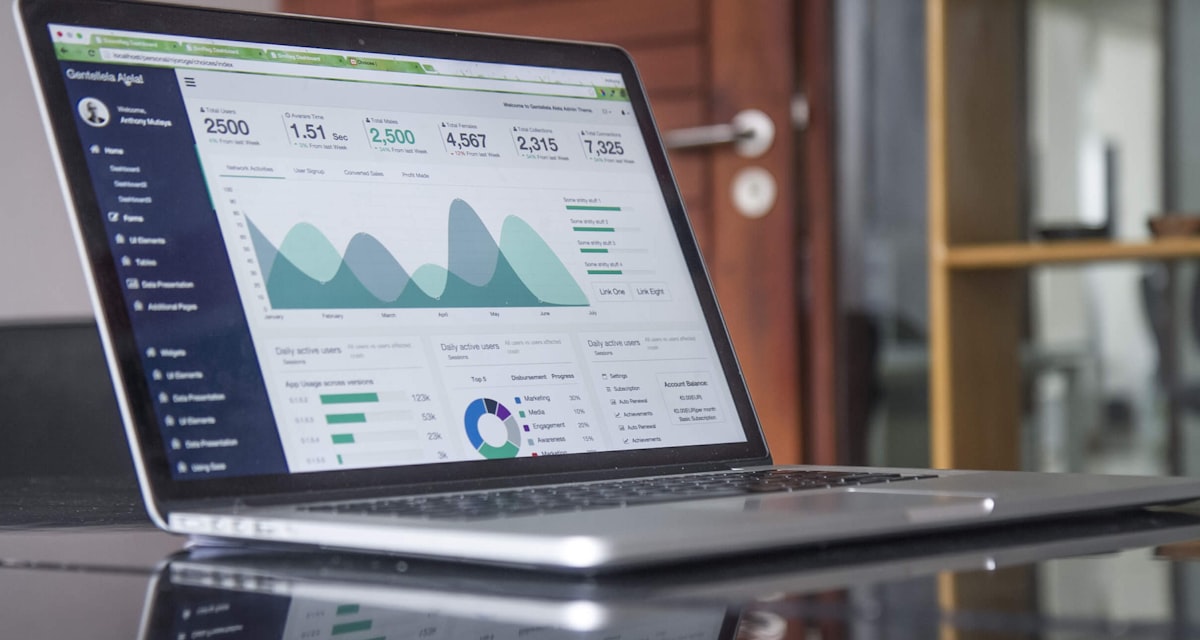
The report you rebuild by hand every Monday
Somewhere in your week is a report you assemble the same way every time, copying, pasting, formatting. It's the perfect thing to hand to a computer.

Reviews are the marketing budget you're ignoring
You can spend a fortune telling people you're good, or you can make it effortless for happy customers to tell them for you. The second one works better.

Your homepage has exactly one job
Most homepages try to say everything to everyone and end up saying nothing to anyone. The good ones answer one question, fast, and point you where to go next.

How to hire a developer when you're not technical
You can't judge code you can't read, so don't try. Judge the things you can: how they communicate, what they ask, and whether they're honest about trade-offs.

Mobile-first isn't a trend, it's where your customers already are
Most people will see your site on a phone first, often only on a phone. Designing for the big screen and hoping it shrinks gracefully has it exactly backwards.

Integrations: making your tools finally talk to each other
You probably already own good software. The friction is that none of it talks, so you become the human glue copying data between apps. That job can be automated away.

An email list beats a following you don't own
Ten thousand social followers belong to the platform, not to you. A few hundred email addresses you own outright are worth far more, and can't be taken away.