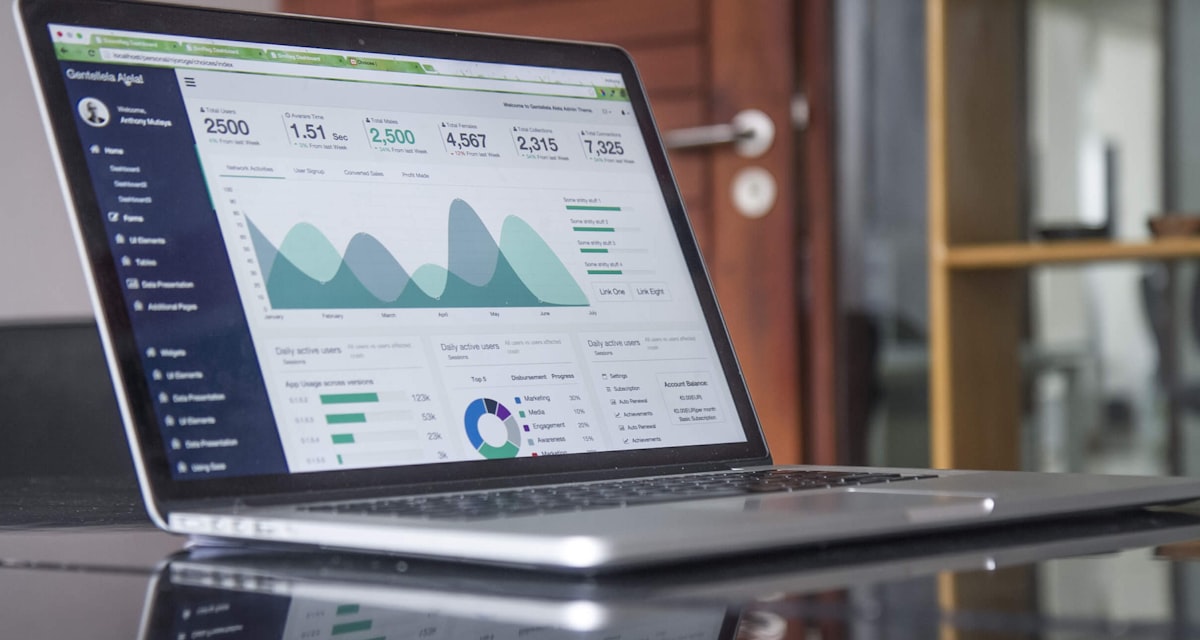
Most businesses have one: the report. The weekly summary, the month-end figures, the sales roundup, some document you rebuild from scratch on a schedule, the same way every time. You pull numbers from here, paste them there, format the table, fix the chart, and send it off. Then next week you do it all again.
It rarely feels like a problem, because each instance only takes an hour or two. But that framing hides the real cost. An hour a week is more than a full working week every year, spent doing something a computer could do perfectly, instantly, and without ever getting bored enough to make a mistake.
Why these reports are ideal to automate
A recurring report ticks every box that makes automation worthwhile:
- It's the same every time. Same sources, same layout, same steps, in the same order. That predictability is exactly what a computer is good at.
- The data already exists. You're not creating information, you're collecting and arranging it, which is pure mechanical work.
- It happens on a schedule. Anything you do "every Monday" or "at month-end" is a natural fit for something that runs on its own.
If you can describe how you build a report in a series of steps, you can usually hand those steps to a computer and stop doing them yourself.
What automating it looks like
It's less dramatic than it sounds. A small tool pulls the numbers from wherever they live, arranges them the way you always do, and either drops the finished report in your inbox on schedule or waits for you to press a button. The hour of assembly becomes a glance to check it looks right.
Crucially, this doesn't take judgement away from you. The report still lands on your desk; you still read it, interpret it, and decide what to do. All that's gone is the tedious clerical work of building it, the part that added nothing but consumed the time.
The compounding return
The beauty of automating a recurring task is that you pay once and save forever. Build it this month and you reclaim that hour every week for as long as the business runs, hundreds of hours over a few years, redirected from copying and pasting to the actual work only you can do. Few investments in a small business pay back quite so reliably.
And the time is only part of the gain. A report a computer assembles is a report that's right, every time, with no transposed figures or Monday-morning slips. When you trust the numbers, you act on them faster and with more confidence, which is worth even more than the hour you got back.
If a spreadsheet or a manual routine is quietly running your business, there's usually a simpler, sturdier way. Tell me the workflow and I'll show you.
Describe your workflow →