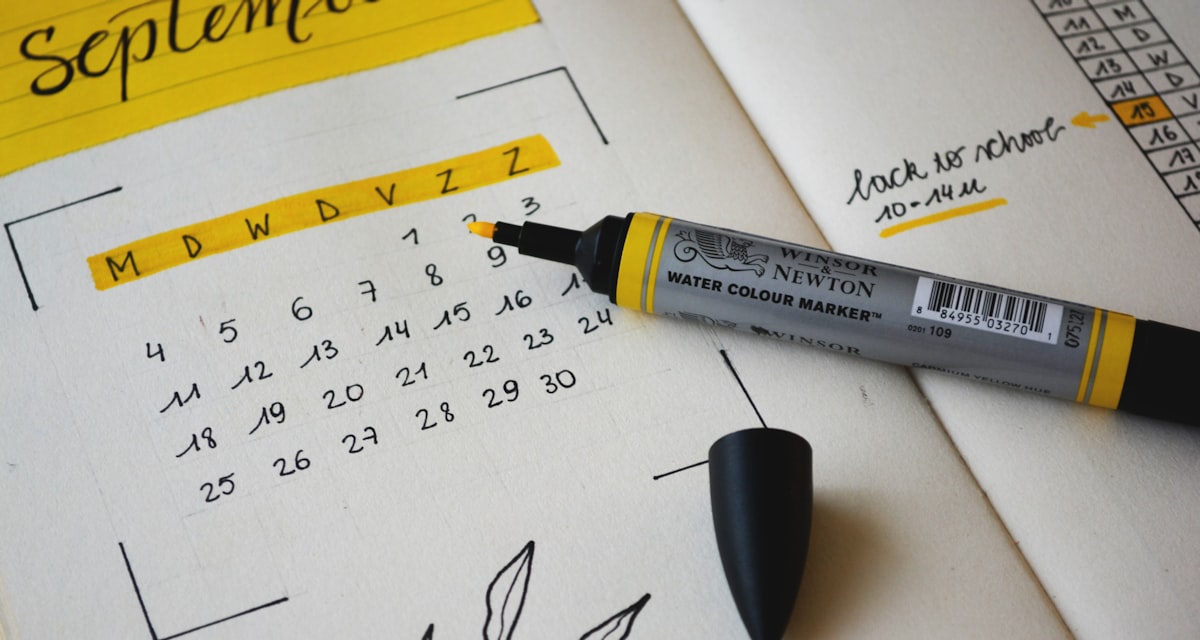
For a lot of small businesses, bookings still run on a phone and a paper diary, and honestly, that works for longer than people expect. But there's a tipping point, usually invisible until you're well past it, where the manual way starts quietly costing more than a system ever would.
The cost isn't just your time, though that's part of it. It's the missed calls that become missed customers, the double-bookings that become awkward apologies, and the evenings spent playing phone tag to arrange something the customer would happily have booked themselves at 11pm.
The signs you've outgrown the diary
A booking tool starts earning its keep when:
- You're losing bookings to missed calls. Every call you can't answer is a customer who may just try the next business on their list.
- Double-bookings are happening. Two people, one slot, is a problem no paper diary prevents and every system does.
- You're the bottleneck. If nothing can be booked unless you personally pick up the phone, your availability is capping your revenue.
- Customers ask to book online. When people expect it and you can't offer it, you look smaller than you are.
A booking system doesn't just save you admin. It captures the customers who'd never have called in the first place.
The maths that matters
The question isn't "how much does a booking system cost." It's "how much is the current way costing me." Add up the missed calls in a typical week, guess conservatively at how many would have booked, and multiply by what a booking is worth. For a lot of businesses that number is startling, and it recurs every single week.
Set against that, a focused booking tool, one that shows real availability, takes the booking, and sends the confirmations, often pays for itself within months and then keeps paying, quietly, for years. And the saved time is only half of it, the other half is the bookings you'd never have captured at all, taken automatically while you were busy, asleep, or already on the phone to someone else.
When it's not worth it
Honesty demands the other side too. If your bookings are low-volume, highly bespoke, or need a real conversation to get right, forcing them through a rigid form can do more harm than good. Some businesses genuinely are better off with a human and a diary, and I'll tell you if I think yours is one of them. The goal was never to automate for its own sake, it's to stop losing the customers your current setup can't catch.
If a spreadsheet or a manual routine is quietly running your business, there's usually a simpler, sturdier way. Tell me the workflow and I'll show you.
Describe your workflow →